Disclosure / Affiliate Notice:
As an Amazon Associate I earn from qualifying purchases.
Some links in this article may be affiliate links that earn me a commission at no extra cost to you.
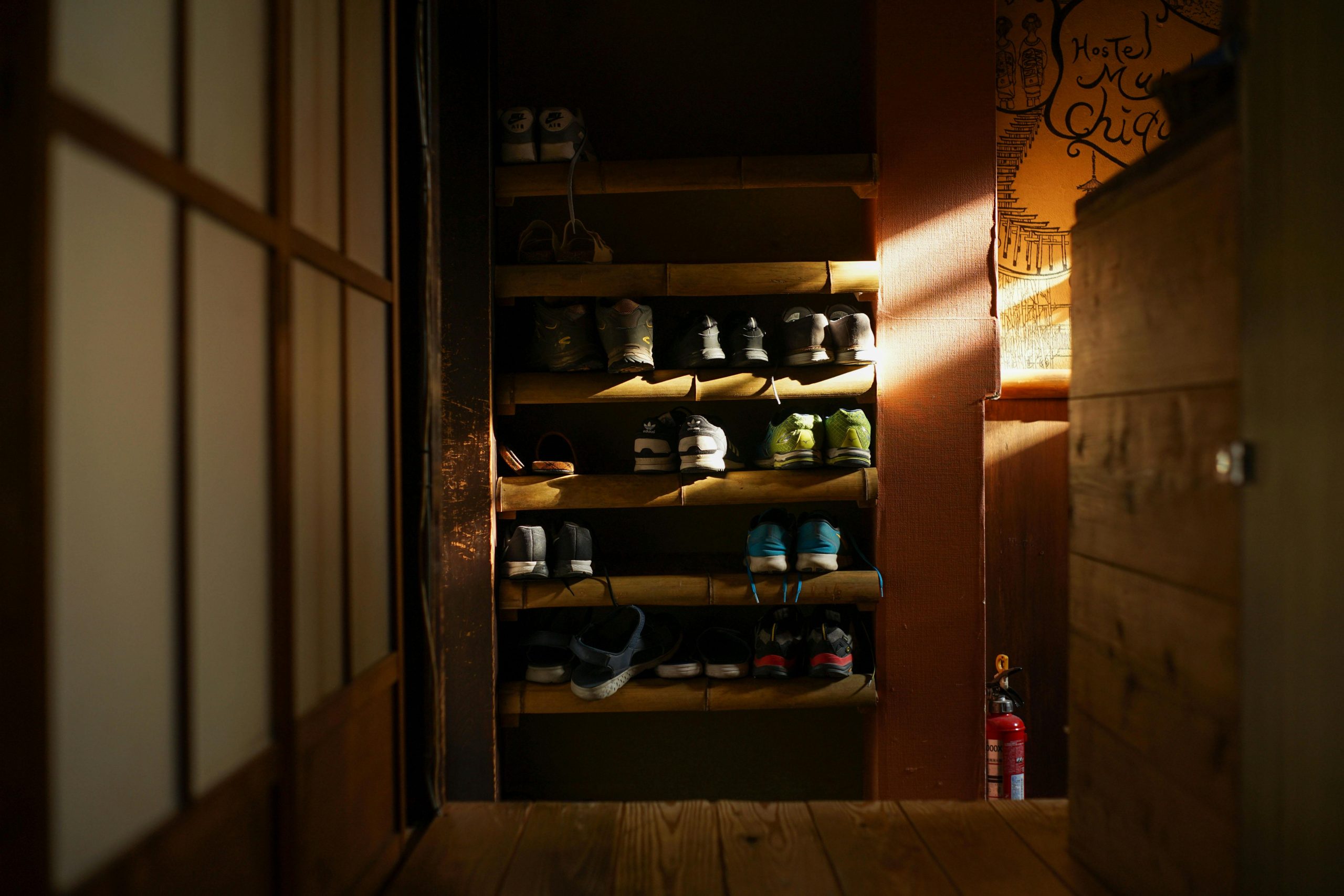
The front door opens, and within seconds shoes start piling up—sneakers kicked off after work, school shoes dropped in a hurry, boots left to dry. In busy households, the entryway quickly becomes a clutter zone. Shoe racks bring structure to that chaos, giving every pair a place and keeping the first impression of the home under control.
Why Entryways Get Messy So Fast
The entryway is a transition space. People are coming in and out, often in a rush, and shoes are the first thing to come off. Without a defined spot, they naturally spread across the floor. Over time, this creates not just clutter but also dirt buildup and tripping hazards, especially in narrow hallways.

Types of Shoe Racks That Fit Different Needs
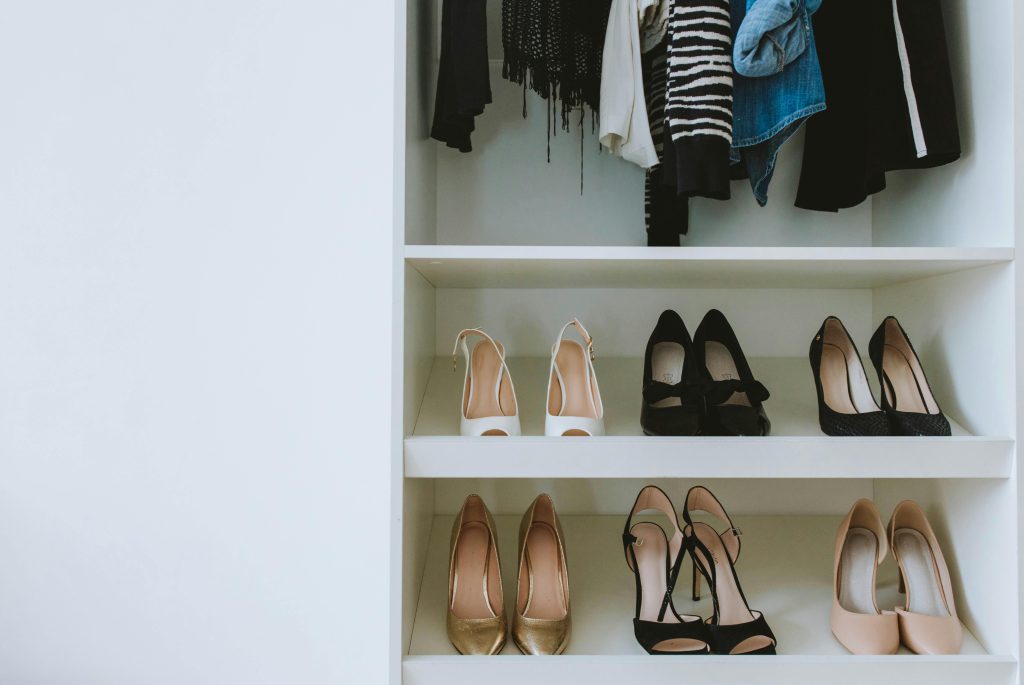
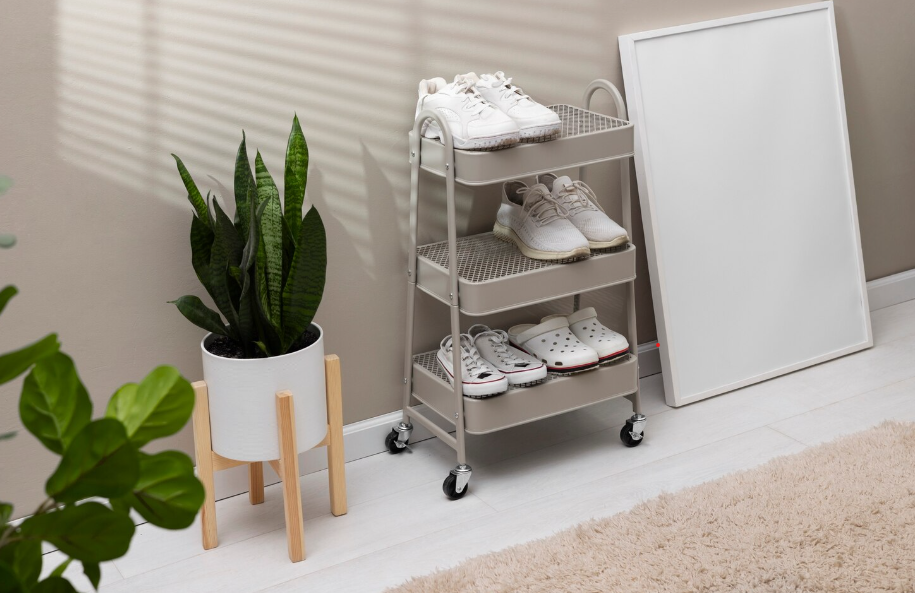
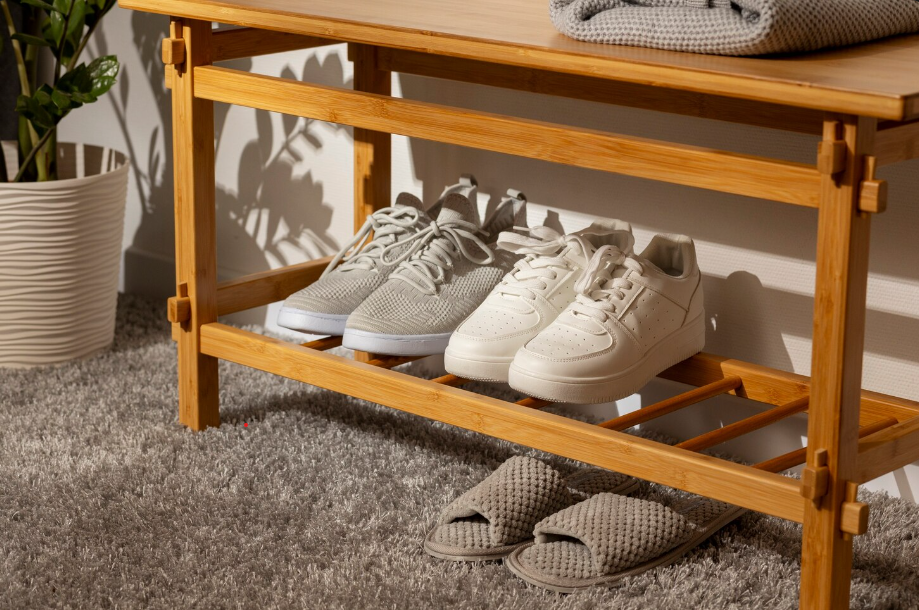
Some households benefit from simple tiered racks that line up multiple pairs vertically. Others prefer closed cabinets that hide shoes completely, which works well when the entryway is also a visible part of the living area. Slim, vertical racks are useful in tight spaces, while bench-style racks double as a place to sit when putting shoes on or taking them off.
The right choice depends less on style and more on daily habits—how many people use the space, how often shoes change, and whether quick access or visual tidiness matters more.
Product:
Product 2:
Matching the Rack to Your Space
A compact hallway requires a different approach than a wide entryway. Measuring depth is especially important: a rack that sticks out too far can block movement and make the space feel cramped. In smaller homes, using vertical height or stacking solutions helps keep the floor clear.
Material also plays a role. Metal racks handle wet or muddy shoes better, while wood blends more naturally into living spaces but may require more maintenance.
Creating a System That Stays Organized
A shoe rack works best when it becomes part of a routine. Assigning each household member a section prevents overlap. Frequently used shoes should be placed at the most accessible level, while seasonal or occasional footwear can go higher or further back.
Adding a small mat underneath or nearby helps catch dirt before it spreads, keeping both the rack and the surrounding area cleaner.
Everyday Situations
Think about a weekday morning: everyone is rushing out, and instead of searching for matching pairs, shoes are lined up and ready. Or picture coming home on a rainy evening—wet shoes go straight onto the rack instead of soaking the floor, keeping the entryway manageable even in bad weather.
👉 entryway shoe racks for families (affiliate link)
When shoes stop piling up at the door, the entire home feels more put together the moment you walk in, even on the busiest days.
Disclosure / Affiliate Notice:
As an Amazon Associate I earn from qualifying purchases.
Some links in this article may be affiliate links that earn me a commission at no extra cost to you.