What EufyLife Represents in the Smart Home Industry
EufyLife is a consumer smart home technology brand under Anker Innovations, built around the idea of making home automation more accessible, privacy-conscious, and cost-efficient. The brand operates through its official storefront EufyLife, where customers can explore a wide ecosystem of connected devices designed for everyday home use. These products span across security, cleaning, baby care, and personal health, forming a modular smart home environment rather than a single-device focus.
A distinctive element of the ecosystem is EufyLife, which supports specific product categories such as smart health devices. It works alongside other dedicated apps instead of forcing everything into one platform, allowing more targeted functionality depending on the device type.

Core Product Categories Available on the Platform
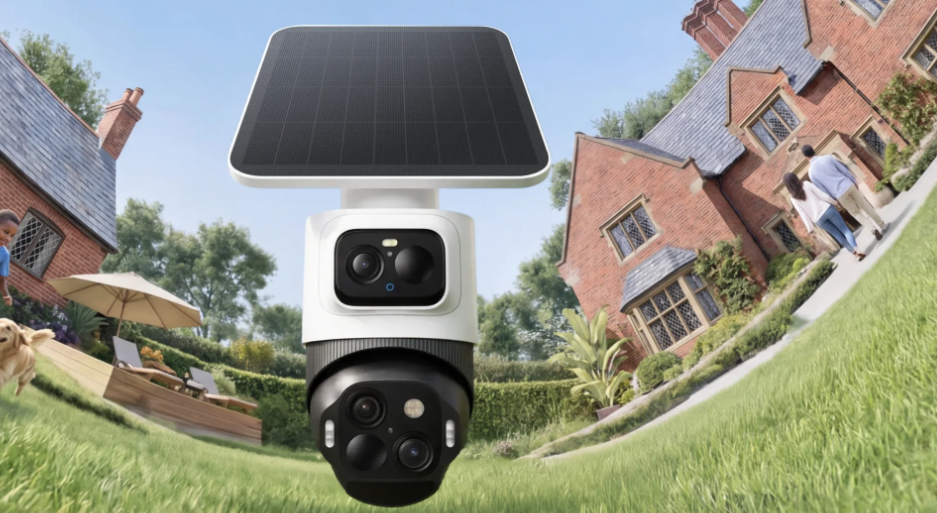
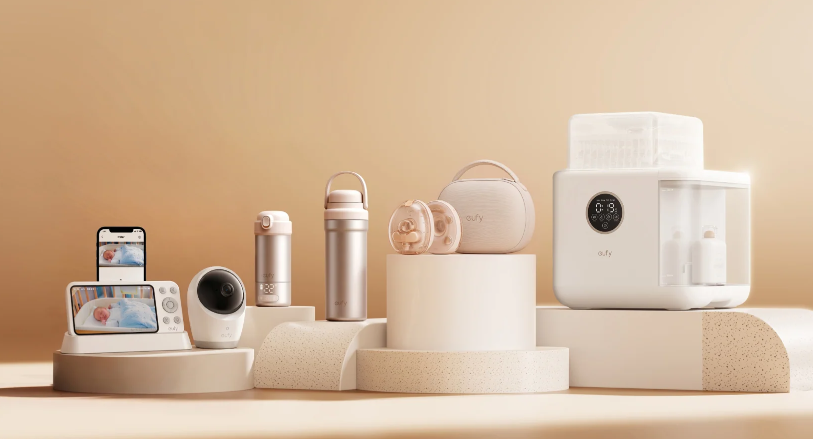
The EufyLife storefront is structured around several main categories that serve different household needs. These include home security systems, robotic vacuum cleaners, baby monitoring equipment, smart lighting, and personal health devices. Security solutions include indoor and outdoor cameras, video doorbells, and integrated hub systems that allow centralized monitoring. Cleaning products focus heavily on robotic vacuum and mop combinations that use mapping technology and automation to handle floors independently. Baby care devices include monitors and supportive accessories designed for real-time tracking and alerts. Smart home accessories extend into lighting and sensors that can be controlled remotely. Across these categories, the platform emphasizes ease of setup and integration within a single household ecosystem rather than requiring separate, complex systems.
What Makes EufyLife Devices Distinct in the Market
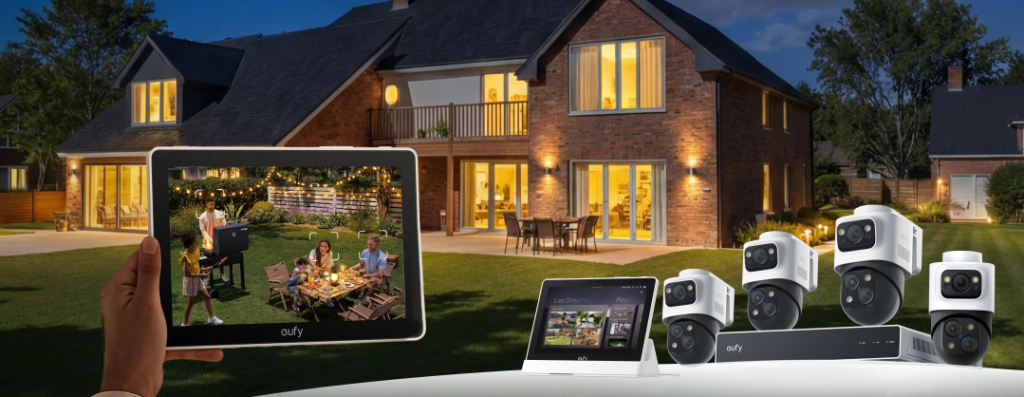
One of the most defining characteristics of EufyLife products is their focus on local processing and data storage. Many security systems are designed to store recordings locally instead of relying entirely on cloud subscriptions, which reduces ongoing costs and gives users more control over their data. In many configurations, video footage is processed and encrypted on-device or through a home base unit rather than being continuously uploaded to external servers. This approach is closely tied to the brand’s privacy model, which emphasizes limiting unnecessary data transfer outside the home environment. Some systems also perform AI-based detection—such as motion recognition or facial identification—directly on local hardware instead of remote servers. Another important feature is the reduction or elimination of mandatory subscription fees. While some competitors rely heavily on cloud storage subscriptions, many EufyLife devices are designed to function fully with local storage options, which is a major factor in their market positioning.
The Role of EufyLife in Device Management
EufyLife plays a focused role within the ecosystem by handling personal and health-related devices such as smart scales and fitness tracking tools. Instead of merging all devices into one universal app, EufyLife separates functionalities by category. This means security, cleaning, and health devices may each have dedicated apps or platforms. While this structure can feel fragmented compared to fully unified smart home systems, it also allows each category to be optimized for its specific use case without overloading a single interface.
How the Website Is Structured and What Users Can Find
On the EufyLife website, users typically encounter a product-first layout organized by category. Each section highlights featured devices, bundles, and seasonal offers. Security pages emphasize surveillance systems and smart detection features, while cleaning sections focus on robotic vacuums with advanced mapping and self-maintenance capabilities. Product pages usually highlight installation simplicity, app-based control, and automation features such as motion detection, AI alerts, and scheduled cleaning routines. There is also strong emphasis on bundle deals that combine multiple devices, encouraging users to build a full smart home system over time rather than purchasing isolated products.
Differences Compared to Other Smart Home Brands
Compared to many competitors, EufyLife takes a more cost-conscious and privacy-oriented approach. Some smart home ecosystems rely heavily on cloud subscriptions and tightly integrated platforms where all devices feed into a single ecosystem requiring ongoing fees. EufyLife instead prioritizes local storage options and subscription-free functionality in many product lines. This creates a different user experience: more flexibility and lower long-term cost, but sometimes less centralized integration than ecosystems that rely on a single unified cloud platform. However, for users who prioritize control over data and predictable ownership costs, this model is often considered more appealing.
Why EufyLife’s Approach Matters in Smart Home Design
The rise of smart home technology has brought increased attention to privacy, data handling, and long-term cost structures. EufyLife reflects a broader industry shift toward hybrid systems that combine AI-driven automation with local data processing. By focusing on modular product categories, localized storage solutions, and optional cloud services, the platform aims to balance convenience with user control. Meanwhile, EufyLife provides a dedicated layer for personal health tracking, reinforcing the idea of specialized tools within a broader connected home environment. Overall, the ecosystem demonstrates how smart home technology can evolve beyond purely cloud-dependent models into systems that prioritize flexibility, affordability, and data ownership while still delivering advanced automation features.